
Applying for a Canadian study permit can feel overwhelming — but it doesn’t have to be. This guide breaks down every step of the process in plain language, so you know exactly what to do, what to prepare, and what to expect at every stage.
A study permit is an official document issued by Immigration, Refugees and Citizenship Canada (IRCC) that allows foreign nationals to study at a Designated Learning Institution (DLI) in Canada. It is NOT a visa — it is a permit that authorises your stay for the purpose of study.
Most international students also need a Temporary Resident Visa (TRV) or an Electronic Travel Authorisation (eTA) to enter Canada, depending on their country of citizenship. In many cases, these are issued automatically alongside your study permit approval.
Citizens of visa-exempt countries (e.g. UK, Australia, most EU nations) need an eTA. Citizens of visa-required countries need a TRV. Your study permit application covers both — you don’t need to apply separately.
| Stage | Step | Typical Timeframe |
|---|---|---|
|
1 |
Research & Choose Your Program |
3–6 months before intake |
|
2 |
Receive Your Letter of Acceptance |
2–8 weeks after applying |
|
3 |
Gather Your Documents |
4–6 weeks |
|
4 |
Create Your IRCC Account |
1–2 days |
|
5 |
Submit Your Study Permit Application |
1–2 days |
|
6 |
Biometrics Appointment |
Within 30 days of request |
|
7 |
Wait for a Decision |
4–16 weeks |
|
8 |
Travel to Canada & Arrive |
Before program start date |
Your journey begins before you even think about paperwork. The first and most important step is selecting the right institution and program, finding a Designated Learning Institution (DLI) that’s right for you. In Canada, you must be accepted by a Designated Learning Institution (DLI) — a school approved by the provincial or territorial government to host international students.
Take the time to research programs that align with your career goals, budget, and preferred city. Consider factors like tuition fees, program length, co-op opportunities, post-graduation work permit eligibility, and the institution’s reputation in your field.
Not all programs qualify you for a PGWP. Always confirm PGWP eligibility before applying — this is critical if you plan to work and stay in Canada after graduation.
Once you’ve identified your preferred institution and program, submit your application directly to the school. Each institution has its own application portal, requirements, and fees. You will typically need to provide:
Upon successful review, the institution will issue you a Letter of Acceptance (LOA). Your LOA is the foundation of your study permit application. This official document is a mandatory requirement for your study permit application. Keep it safe — you’ll need it throughout the entire process.
Your Letter of Acceptance must include: your full name, the institution’s DLI number, your program name, start date, and duration of study. Check all details carefully before proceeding.
This is one of the most critical steps. Incomplete or incorrect documentation is the leading cause of study permit delays and refusals. Prepare your documents carefully and well in advance.
You must demonstrate that you have sufficient funds to cover your tuition, living expenses, and return travel. IRCC currently requires proof of at least:
| Expense | Minimum Required Amount (CAD) |
|---|---|
|
First year tuition |
Full amount (as per your LOA) |
|
Living expenses (1 year) |
CAD $10,000 (outside Quebec) |
|
Living expenses (Quebec) |
CAD $11,000 |
|
Return transportation |
Sufficient funds for a return ticket |
Acceptable proof includes: recent bank statements (last 3–6 months), a bank letter confirming available funds, proof of a scholarship or financial award, a sponsor letter with supporting financial documents, or a GIC (Guaranteed Investment Certificate) — recommended for students under the Student Direct Stream.
A GIC from a Canadian bank (e.g. Scotiabank, CIBC) satisfies the financial requirements AND is a strong positive signal on your application. It shows IRCC you are serious and financially prepared.
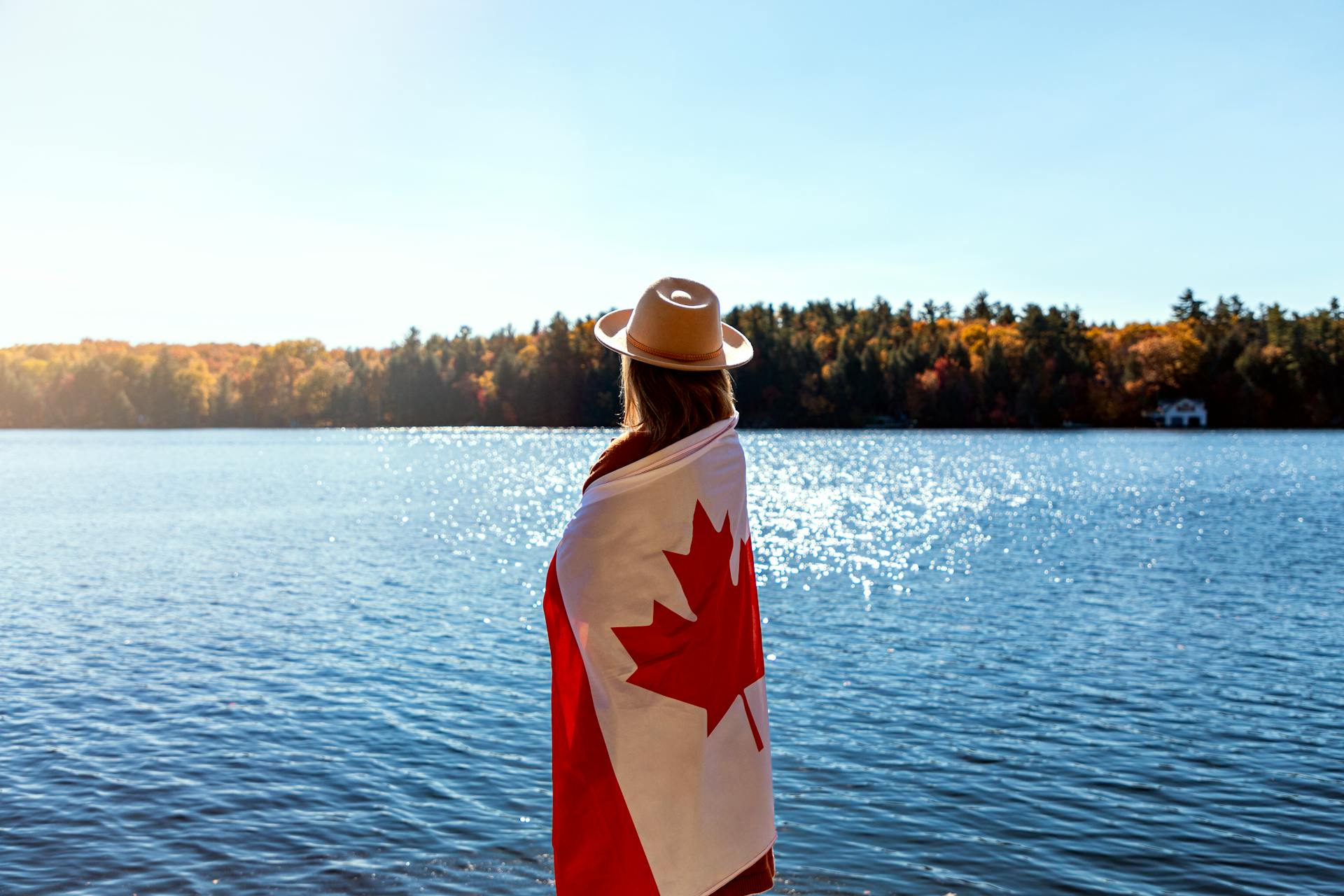
After choosing your desired program, applying for a DLI-approved Canadian institution and receiving a letter of acceptance, and having the financial support proof ready, you can now start your study permit application process. Understanding the Canada Student Visa Process can help students avoid delays and improve their chances of approval. The Canada Student Permit Process is an important step for international students planning to study in Canada.
All study permit applications are submitted online through the IRCC Secure Account portal. You will need to create an account to access the application form, upload documents, track your application status, and receive correspondence from IRCC.
With your documents ready and your IRCC account created, it’s time to complete and submit your application. Be thorough — any errors, omissions, or inconsistencies can result in delays or a refusal.
Application Forms You May Need
| Fee Item | Amount (CAD) |
|---|---|
|
Study Permit Application Fee |
CAD $150 |
|
Biometric Fee (individual) |
CAD $85 |
|
Biometric Fee (family) |
CAD $170 |
|
Open Work Permit (spouse/partner) |
CAD $155 |
Fees are paid online via credit card or debit card during the application submission. Fees are non-refundable, even if your application is refused. Double-check everything before submitting. Please check the IRCC website for current pricing.
After submitting your application, IRCC will send you a Biometric Instruction Letter (BIL) asking you to provide biometrics (fingerprints and a digital photo). This is a mandatory requirement for most applicants between the ages of 14 and 79.
You must submit your biometrics within 30 days of receiving the BIL. Biometrics can be collected at a Visa Application Centre (VAC) or a Service Canada location, depending on your country of residence.
Do NOT delay your biometrics appointment. Failure to submit biometrics within 30 days of your BIL will result in your application being closed.
Once biometrics are submitted, your application enters the processing queue. Processing times vary depending on your country of citizenship, application volume, and whether additional documents are requested.
You can check current estimated processing times on the IRCC website. Most applicants receive a decision within 4 to 16 weeks, but it can take longer during peak periods (typically June–August for September intake).
Some applicants are required to undergo an Immigration Medical Examination (IME) with an IRCC-designated physician. You will be notified if this applies to you. Complete it promptly as it can add 4–8 weeks to processing.
Congratulations — your study permit has been approved! But you’re not quite done. Your study permit is officially activated when you arrive at a Canadian Port of Entry (airport or land border crossing) and a border services officer (CBSA) issues your actual permit.
When you arrive in Canada, you will be asked to present the following documents to the CBSA officer:
The CBSA officer will review your documents and issue your study permit on the spot. They will also confirm the conditions of your permit — including the expiry date, whether you can work, and any restrictions on your studies.
Arrive at least 4–6 weeks before your program starts. This gives you time to find accommodation, attend orientation, open a bank account, get a SIM card, and settle in before classes begin.
Use this checklist to make sure you have everything ready before submitting your application:
| Required Documents | Supporting Financial Documents |
|---|---|
|
Valid passport |
Bank statements (3–6 months) |
|
Letter of Acceptance (LOA) |
Bank letter confirming funds |
|
Completed IMM 1294 form |
GIC certificate (if applicable) |
|
Completed IMM 5645 form |
Scholarship/award letter |
|
Passport photographs |
Sponsor letter |
|
Academic transcripts |
Sponsor’s financial documents |
|
Language test results |
Proof of employment (sponsor) |
|
Statement of Purpose |
Tax returns (sponsor, if required) |
|
Application fee receipt |
| Common Refusal Reason | How to Avoid It |
|---|---|
|
Insufficient financial proof |
Show bank statements + GIC + sponsor docs. Be thorough and consistent. |
|
Weak ties to home country |
Include evidence of property, family, employment, or business ties at home. |
|
Unconvincing study purpose |
Write a compelling Statement of Purpose explaining your career goals and why Canada. |
|
Incomplete application |
Use the IRCC checklist. Have a professional review your application before submitting. |
|
Language score too low |
Recheck the program’s minimum requirements and retake IELTS/TOEFL if needed. |
|
Applying too late |
Start at least 6–12 months before your intended intake date. |
|
Choosing a non-DLI institution |
Always verify your institution’s DLI status on canada.ca before applying. |
Here are the most common questions students ask us about the Canadian study permit process.
How long does a study permit take to process?
Processing times vary by country. Generally, 4–16 weeks. Check current processing times at canada.ca. Apply early — at least 6 months before your intake.
Can I apply for a study permit without a job offer?
Yes. A job offer is not required for a study permit. You only need an LOA from a DLI and proof of financial support.
Can I extend my study permit inside Canada?
Yes. You must apply to extend your study permit at least 30 days before it expires. Apply online through your IRCC account.
Do I need to show funds for the entire program duration?
IRCC requires proof of funds for the first year (tuition + living). For multi-year programs, consistent financial history and stable sponsorship are important.
What happens if my study permit is refused?
You will receive a refusal letter with reasons. Address those reasons directly and reapply. Working with a registered consultant improves your chances significantly.
Can my family come with me to Canada?
Yes. Your spouse may be eligible for an open work permit, and your dependent children can attend Canadian schools. Apply together to simplify the process.
What is the Student Direct Stream (SDS)?
The SDS is a faster processing stream for students from select countries (including India, China, Philippines, and more). It requires a GIC, IELTS 6.0+, and upfront tuition payment for significantly faster processing — often under 20 days.
Can I Extend My Study Permit After Graduation Without a PGWP?
You can’t extend your study permit after graduation without a PGWP; instead, explore study permit options like enrolling in a new eligible program, applying for a spousal open work permit, or pursuing a provincial nominee as a post‑graduation alternative.
Applying for a Canadian study permit is a detailed process — and the stakes are high. One missing document or an unconvincing financial statement can mean months of delay. That’s where we come in.
At Future Rise Education, our expert advisors have helped hundreds of students successfully navigate the Canadian study permit process. From choosing the right program and institution to reviewing your full application before submission — we’re your trusted partner every step of the way.